
Consider Car Financing in Canada When You Have Past Bankruptcies
Discover realistic car financing options in Canada after collections, a consumer proposal or bankruptcy, and learn how to prepare for a stronger application before you apply.
Canadian lenders generally assess your current ability to repay, the stability of your income, the debts that remain active, and the vehicle selected.
The strongest approach is to understand what appears on your credit reports, resolve inconsistencies, and apply only after building a realistic transportation budget. Comparing offers carefully can help you find financing that better fits your long-term financial goals.
How car financing works after serious credit problems 🚗
A collection account shows that a debt was transferred or assigned for recovery after missed payments. Even when the amount is small, an unresolved collection can signal elevated risk. Lenders may ask whether it has been paid, settled, disputed, or included in a formal insolvency process.
A consumer proposal is different from an ordinary collection. It is a formal process administered by a Licensed Insolvency Trustee under Canada’s Bankruptcy and Insolvency Act. Bankruptcy is also a formal legal process, and lenders may distinguish between an active bankruptcy, a discharged bankruptcy, an active proposal, and a completed proposal.
These distinctions matter because each situation presents a different financial picture. A recent discharge followed by stable income and on-time payments may be assessed differently from an active filing with missed obligations or new unpaid accounts.

What lenders may check beyond the credit event for car financing 🔎
The insolvency or collection entry is only one part of the application. A lender may also evaluate whether the proposed payment fits alongside housing costs, child support, credit-card balances, proposal payments, student debt, and other recurring commitments.
Common assessment areas include:
- Current employment status and length of employment;
- Verifiable gross and net income;
- Housing payments and other monthly obligations;
- Recent payment history after the credit problem;
- Amount available for a down payment;
- Vehicle price, age, mileage, and expected resale value;
- Requested repayment term;
- Stability of address and banking information;
- Accuracy and consistency across all submitted documents.
Why recent behaviour can carry significant weight 📈
A serious negative event may remain visible for years, but recent conduct helps show whether the original problem is continuing. Regular proposal payments, no new collections, lower revolving balances, and stable deposits can create a clearer record of financial recovery.
Do not take on several new accounts merely to create activity. A small, manageable credit product used carefully may be more helpful than multiple applications that increase monthly obligations.
Active proposal versus completed proposal 📑
During an active consumer proposal, you are still responsible for meeting its agreed conditions. Missing proposal payments can create major consequences, including possible annulment. Before adding a vehicle payment, review the budget with your Licensed Insolvency Trustee and confirm that the new obligation will not interfere with the proposal.
After completion, keep the certificate of full performance and check whether the credit bureaus have updated their records. The filing does not disappear immediately, but proof of completion can help explain your present status to a prospective lender.
Undischarged versus discharged bankruptcy ⚖️
A person who has not yet been discharged must be transparent about the bankruptcy when obtaining credit above the threshold set by federal law. Anyone in this position should discuss new borrowing with the Licensed Insolvency Trustee before applying.
After discharge, borrowing is legally possible, but approval is not guaranteed. Lenders may request the discharge documents, proof of stable income, a larger down payment, or a less expensive vehicle. The passage of time and a clean post-discharge payment record may improve the available options.
Documents that strengthen a car financing application 📂
A complete file allows the lender to verify the story behind the credit report. Missing or conflicting information can cause delays or make the application appear riskier than it is.
Prepare documents such as:
- Government-issued identification;
- Recent pay stubs or other acceptable income evidence;
- Bank statements when requested;
- Proof of address;
- Employment contact information;
- A list of current monthly debts and payments;
- Collection settlement letters, where applicable;
- Consumer proposal completion documents;
- Bankruptcy discharge documents;
- Down-payment evidence;
- Vehicle purchase information.
Do not alter, omit, or misrepresent details. Lenders reviewing an application after insolvency will pay close attention to whether income, debts, addresses, and dates match the supporting records.
How to deal with collection accounts before applying for car financing 🧾
Start by obtaining your credit reports and confirming that each collection belongs to you. Check the original creditor, outstanding amount, date reported, and current status. If information is inaccurate, use the credit bureau’s dispute process and provide supporting evidence.
When the debt is valid, consider the following steps:
- Confirm who legally owns or administers the account;
- Request the balance and settlement terms in writing;
- Keep proof of every payment;
- Avoid giving payment details until the arrangement is clear;
- Check the report again after the account is updated;
- Do not assume that payment will erase an accurate historical entry immediately.
Paying or settling a collection can improve the narrative around the application, but it does not guarantee a particular credit score or approval result. The lender will still consider the rest of your financial profile.
Choosing a vehicle that supports affordability 🚙
Vehicle choice can affect both approval and long-term stability. A lender may be less comfortable with an older, high-mileage, heavily modified, or unusually expensive model because the vehicle commonly serves as security for the loan.
A practical choice often includes:
- A price below the maximum amount offered;
- Reliable maintenance history;
- Reasonable insurance premiums;
- Readily available parts and service;
- Predictable fuel costs;
- Sufficient useful life for the proposed term;
- Stronger resale demand.
Choosing car financing that leaves room for maintenance, winter tires, registration, insurance, and emergencies is safer than using the entire budget for the payment alone.
New, recent-used, or older-used vehicle? 🛠️
A new vehicle can provide warranty coverage and predictable early maintenance, but the purchase price may be higher. A recent-used model can reduce the upfront cost while retaining useful life. An older vehicle may be cheaper, yet some lenders impose tighter age or mileage limits and repair expenses may be less predictable.
The best category is the one that balances purchase price, lender eligibility, insurance, maintenance, and the number of years you expect to keep the vehicle.
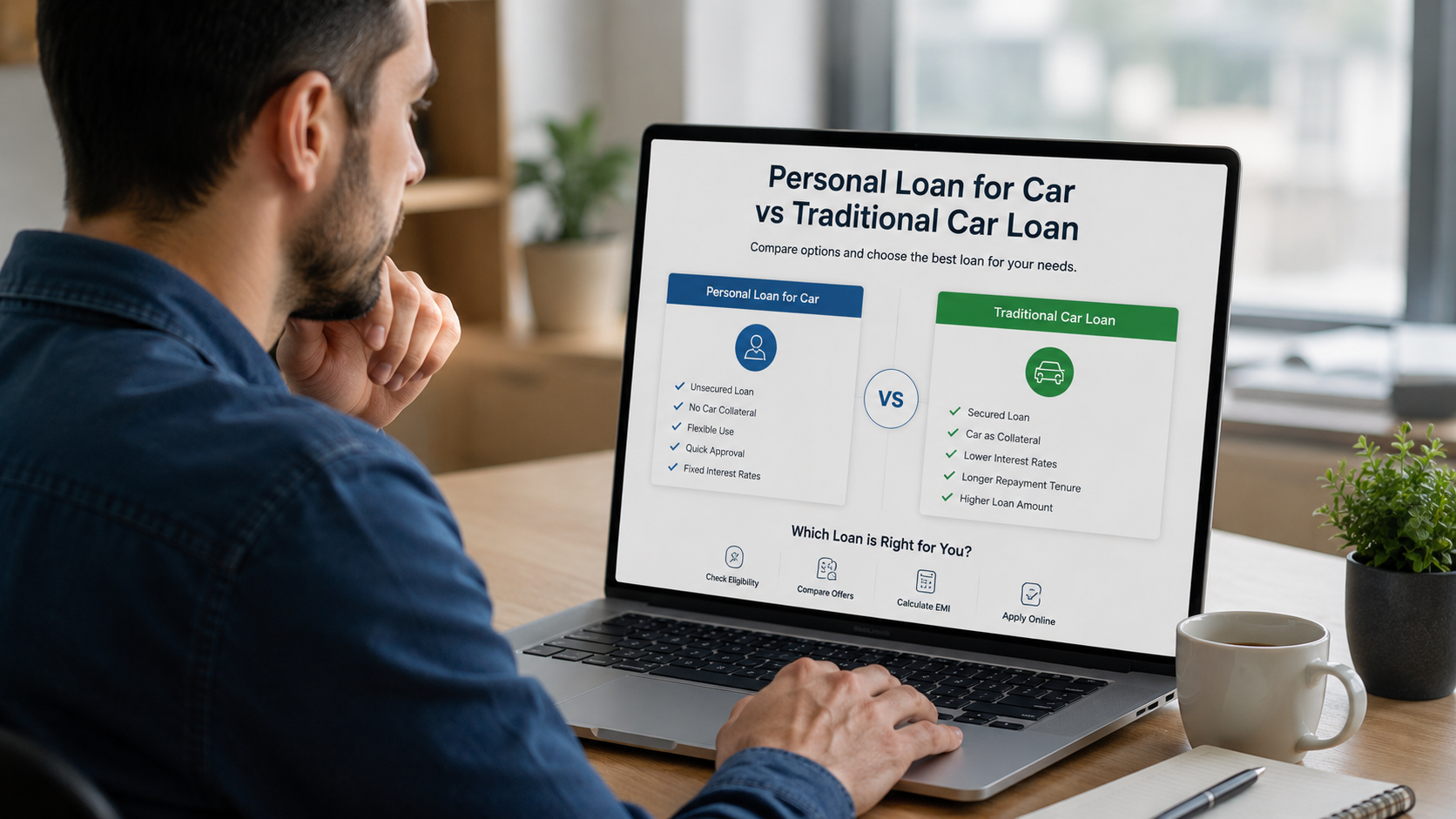
Comparing car financing terms without repeating past debt problems 💰
A lower regular payment is not automatically a better offer. Extending the term may increase total interest and keep the balance higher for longer. This can create negative equity, particularly when the vehicle depreciates faster than the principal is repaid.
Compare each offer using the same points:
| Contract item | What to review | Why it matters |
| Vehicle price | Price before financing and add-ons | Establishes the true purchase cost |
| Annual interest rate | Fixed or variable, where offered | Determines borrowing cost |
| Loan term | Number of months and final date | Longer terms can increase total interest |
| Payment frequency | Weekly, bi-weekly, or monthly | Helps compare cash-flow impact |
| Fees | Administration and lender charges | Raises the amount financed |
| Optional products | Warranty, protection, or insurance | May add interest when financed |
| Prepayment terms | Rules for extra or early payments | Can affect future savings |
| Total repayment | Full amount due over the contract | Shows the complete cost |
| Verified on | June 19, 2026 | Requirements and offers vary by lender |
A car financing offer should be assessed using the total amount repayable, not only the payment displayed by the dealer. Ask for written disclosure and take time to review every optional product.
Warning signs in high-risk auto lending 🚨
Borrowers with past insolvency may encounter advertising that promises guaranteed acceptance or instant credit repair. Treat absolute promises with caution. Approval normally depends on verification, and no legitimate company can guarantee a specific score increase simply because you take a new loan.
Pause when:
- The seller will not disclose the annual rate or total cost;
- Add-ons are inserted without clear consent;
- You are told to provide inaccurate income information;
- The contract contains blank sections;
- The vehicle price changes after approval;
- A large fee is demanded before any service is provided;
- You are pressured to refinance or pay out a proposal through expensive new borrowing;
- Verbal promises are missing from the written agreement.
Only a Licensed Insolvency Trustee can administer a consumer proposal or bankruptcy in Canada. Be cautious of unlicensed debt-relief businesses that charge substantial fees or claim they can provide formal insolvency services directly.
Steps to rebuild before and after approval 🌱
Before accepting car financing, create a budget that includes the payment, insurance, fuel, parking, maintenance, registration, and seasonal expenses. Keep an emergency reserve and avoid using every available dollar for the down payment.
After signing, automate payments where practical and review the account regularly. Paying on time can help establish a stronger recent record, but the loan should not be treated as a quick repair tool. The primary goal is reliable transportation on terms you can sustain.
Useful recovery habits include:
- Paying every current account by its due date;
- Keeping credit utilization controlled;
- Avoiding unnecessary applications;
- Checking credit reports for errors;
- Saving for repairs rather than relying on new debt;
- Reviewing refinancing only after income and credit have improved;
- Keeping proposal or discharge records accessible.
A realistic path back to vehicle ownership 🧭
Collections and insolvency can narrow the market, yet they do not define every future borrowing decision. Preparation, transparency, stable income, careful vehicle selection, and comparison of full contract costs can produce a more manageable outcome.
Responsible car financing after a consumer proposal or bankruptcy should support recovery instead of recreating the pressure that caused earlier debt problems. The right vehicle is not the most expensive one a lender approves; it is the one that meets your needs while leaving enough room to maintain every financial obligation.
FAQ ❓
Can I obtain a vehicle loan while a consumer proposal is active?
• It may be possible, but lender policies vary. Review affordability with your Licensed Insolvency Trustee and make sure the new payment will not interfere with the proposal.
Does paying a collection remove it from my credit report immediately?
• Not necessarily. An accurate collection may remain for the reporting period even after payment, although its status and balance should be updated.
Can I borrow after being discharged from bankruptcy?
• Yes, discharge does not create a permanent legal ban on borrowing. However, lenders decide whether to approve the application and what conditions to offer.
Will a large down payment guarantee approval?
• No. It can reduce the loan amount and lender risk, but income, existing obligations, credit history, and the vehicle still affect the decision.
Should I use an auto loan only to rebuild my credit?
• No. Borrow only when the vehicle is needed and the entire ownership cost is affordable. Credit improvement should be a secondary benefit of responsible repayment.
