
No Down Car Financing and Why Some Buyers Choose to Keep Their Cash Available
Many drivers exploring financing options notice promotions mentioning car loans with no down payment. For buyers who prefer to keep their savings untouched, this structure can seem particularly attractive.

At first glance, zero-down financing appears straightforward: obtain a vehicle today and begin paying through monthly installments without providing an initial payment.
However, these programs are carefully designed lending products. Understanding how no-money-down auto financing works helps buyers evaluate when the structure aligns with their financial priorities.
In many situations, these offers appear during dealer campaigns or manufacturer promotions, which makes them especially visible during certain sales periods.
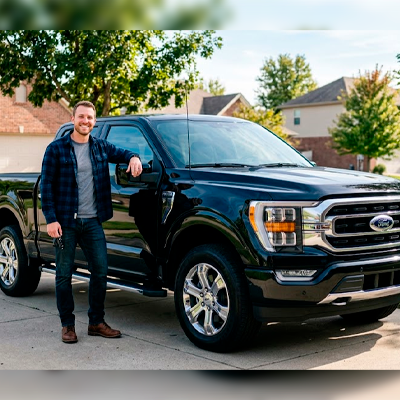
How Zero-Down Auto Financing Works in the United States 🇺🇸
A zero-down auto loan allows the buyer to finance the entire purchase price of a vehicle without paying an upfront amount at the time of purchase.

Instead of reducing the loan balance with a down payment, the full vehicle value is divided into scheduled monthly payments across the loan term.
These financing structures are commonly offered through dealership lending networks, banks, and financial institutions that specialize in auto loans.
Because the lender finances a larger portion of the vehicle price, loan terms generally range between 48 and 72 months, depending on borrower qualifications and vehicle cost.

Where Buyers Usually Find No-Down Financing Offers
Drivers searching for car loans without upfront payments often explore several types of lenders.
Common financing sources include:
• Dealership financing programs
• Traditional bank auto loans
• Credit unions offering vehicle loans
• Online platforms connecting borrowers with lenders
Each lender may structure approvals differently, depending on the applicant’s financial profile and the type of vehicle being financed.
Comparing multiple options can help buyers determine which loan structure fits their payment expectations and financial planning goals.
Who Typically Qualifies for Zero-Down Car Loans 🔎
Eligibility for no-down-payment vehicle financing usually depends on the borrower’s financial reliability.
Lenders frequently evaluate applicants based on:
• Credit history and repayment consistency
• Verified employment or income stability
• Overall debt compared with monthly income
• Previous experience managing credit
Vehicle type may also influence approval. Some lenders limit zero-down offers to specific models or inventory categories.
Dealership promotions sometimes expand eligibility by partnering with lenders to create special financing opportunities.
Zero-Down Financing vs Traditional Car Loans 📊
Comparing financing structures can help buyers understand how these options differ.
| Financing Type | Down Payment | Vehicle Flexibility | Approval Difficulty |
|---|---|---|---|
| Zero Down Auto Loan | None | Medium | Higher |
| Standard Auto Loan | 10–20% typical | High | Medium |
| Credit Union Financing | Low to moderate | High | Medium |
| Dealer Promotional Loan | Variable | Medium | Medium |
This comparison shows that zero-down financing removes the upfront payment, but lenders may apply stricter approval criteria.
Important Considerations With No-Down Auto Loans ⚖️
While avoiding an initial payment can help preserve cash, buyers should still evaluate the full financing structure.
Important factors often include:
• Total loan amount financed
• Monthly payment size
• Loan duration
• Vehicle value relative to financing balance
Because the entire purchase price is financed, loan balances may remain higher for a longer portion of the repayment period.
Carefully reviewing payment terms can help buyers understand the overall financial commitment involved.
When Zero-Down Financing May Be Useful 💡
A no-down auto loan can be helpful for buyers who prefer maintaining available cash for other financial priorities.
This approach may appeal to drivers who value liquidity, predictable monthly payments, and flexible budgeting.
However, every financing decision should be evaluated within the context of personal financial planning.
Understanding the loan structure allows buyers to decide whether preserving upfront cash or reducing loan balance earlier better fits their situation.
Practical Steps to Improve Loan Approval Chances 🔧
Preparation can increase the chances of qualifying for zero-down vehicle financing programs.
Some helpful actions include:
• Reviewing your credit profile before applying
• Reducing outstanding financial obligations
• Maintaining clear documentation of stable income
• Comparing offers from multiple lenders
Many buyers also notice that dealerships introduce attractive financing opportunities during seasonal sales events or new vehicle launches.
Frequently Asked Questions ❓
1. Are zero-down car loans widely available?
They are offered by many lenders, but approval usually depends on credit profile and financial stability.
2. Do zero-down loans mean higher monthly payments?
Sometimes. Because no upfront payment reduces the balance, the loan amount financed may be larger.
3. Can buyers choose any vehicle with zero-down financing?
Not always. Some lenders limit these offers to specific models or promotional inventory.
4. Is credit history important for zero-down approval?
Yes. Lenders typically review credit behavior and income stability before approving the loan.
5. Is zero-down financing always the best option?
It depends on the buyer’s priorities, especially when balancing cash availability and long-term loan cost.
