
Vehicle Financing vs Paying Cash: What Makes Sense with Bad Credit
Compare vehicle financing with paying cash to find the option that best protects your budget when buying a car with damaged credit. Understanding the trade-offs can help you make a more confident decision.
The right option depends on the car’s total cost, your emergency fund and the terms offered—not only on whether a lender says yes.
In Canada, vehicle financing can be useful when reliable transportation is necessary and a cash purchase would leave you financially exposed. Before deciding, compare the total borrowing cost with the benefits of paying cash to choose the option that best fits your finances.
Why bad credit changes the cash-versus-loan decision 💳
Lenders use information in a credit report to judge repayment risk and determine whether to approve a loan and what rate to offer. Late payments, collections, high balances or a short credit history may reduce your options. A borrower with damaged credit may therefore receive a higher rate, a smaller approval or a request for a larger down payment.
Paying cash avoids that pricing process entirely, but it transfers the risk to your savings. If the purchase consumes most of your available money, a repair, insurance deductible or income interruption could push you toward another expensive form of debt. The decision should protect both transportation needs and financial stability.

When paying cash may be the stronger choice 💵
Cash can be attractive when you have enough money to buy a dependable vehicle and still maintain an emergency reserve. You avoid interest, financing fees and the risk of missing a loan payment. You also own the vehicle without a lender’s registered security interest once the purchase and registration are completed correctly.
Before using cash, confirm that the lower-priced car will not create larger repair costs. A pre-purchase inspection and vehicle-history review can be especially valuable when considering an older used model.
Paying cash may work best when:
- the purchase will not empty your emergency fund;
- the vehicle has been inspected by an independent mechanic;
- insurance, taxes, registration and immediate maintenance remain affordable;
- the available loan offers carry high rates or costly fees;
- you do not need the transaction to create a new instalment account.
Benefits of keeping the transaction debt-free ✅
A cash purchase makes the final cost easier to understand because there is no interest accumulating over several years. It also removes the possibility of negative equity caused by owing more than the vehicle is worth.
The main benefits include:
- no scheduled car-loan payment;
- no interest or lender administration charges;
- simpler ownership if the title and lien checks are clear;
- more flexibility to sell the vehicle later;
- less pressure on monthly cash flow.
These benefits are meaningful, but they should not justify buying the cheapest car available without checking its condition. Reliability and ownership costs still determine whether the purchase is financially sound.
Risks of spending too much of your savings ⚠️
Using nearly all your cash for a vehicle can create a different type of financial pressure. Cars require fuel, insurance, tires, servicing and repairs, and these costs begin immediately after purchase.
Protect yourself by keeping money available for:
- at least the first insurance and registration expenses;
- seasonal tires where required or appropriate;
- an initial maintenance service;
- a repair reserve;
- essential household emergencies;
- income gaps or unexpected bills.
A less expensive car may be the better cash option when it preserves a meaningful financial buffer.
Checks required for a private cash purchase 🔍
Paying cash does not remove the need for due diligence. A used vehicle may have an existing lien, hidden damage, inconsistent maintenance records or registration issues. Requirements differ by province and territory, so buyers should review the rules where the vehicle will be registered.
Before completing the sale:
- verify the seller’s identity and ownership documents;
- compare the vehicle identification number across the car and paperwork;
- check for registered liens;
- obtain a history report and independent inspection;
- use a written bill of sale;
- confirm tax, registration and plate requirements.
Do not rely only on a verbal promise that the car is debt-free or mechanically sound.
When vehicle financing may make more sense 🚗
Borrowing may be reasonable when a car is needed for work or family responsibilities and paying cash would eliminate essential savings. It can also allow you to choose a newer, more reliable vehicle, provided the price, term and full borrowing cost remain manageable.
A loan account may contribute information to your credit file when the lender reports it to the credit bureaus. Consistent on-time payments can support a healthier record over time, while late or missed payments can make damaged credit worse. Confirm the lender’s reporting practices instead of assuming every account will help.
Cash purchase and loan comparison table 📊
| Decision factor | Paying cash | Financing the vehicle |
| Upfront money | High initial outlay | Down payment plus fees and taxes |
| Interest cost | None | Depends on rate, term and financed amount |
| Monthly obligation | No loan payment | Required payments throughout the agreement |
| Emergency savings | May be reduced substantially | Can preserve part of available cash |
| Credit-file activity | Does not create a loan account | May add payment history if reported |
| Ownership risk | No lender lien after a clear transfer | Lender may register a lien until repayment |
| Vehicle choice | Limited by available cash | May provide access to a newer vehicle |
| Main danger | Depleting savings or buying an unreliable car | High interest, long term and negative equity |
Information verified on June 19, 2026. Rates, approval standards, disclosure rules and registration procedures vary by lender, borrower, province or territory.
Advantages and disadvantages of vehicle financing with bad credit ⚖️
The strongest argument for vehicle financing is liquidity: you can keep part of your savings available while obtaining necessary transportation. The weakness is that damaged credit can make the same car significantly more expensive.
Potential advantages:
- preserves cash for emergencies;
- spreads the purchase cost over time;
- may provide access to a more reliable model;
- may add positive payment information when reported;
- allows comparison among dealer, bank, credit-union and finance-company offers.
Potential disadvantages:
- higher interest may apply;
- long terms increase total borrowing cost;
- missed payments can damage credit further;
- the vehicle may depreciate faster than the loan balance;
- optional products and fees may inflate the amount financed.
A loan should solve a transportation need without creating a payment that depends on overtime, bonuses or other uncertain income.
How to compare vehicle financing offers fairly 🧮
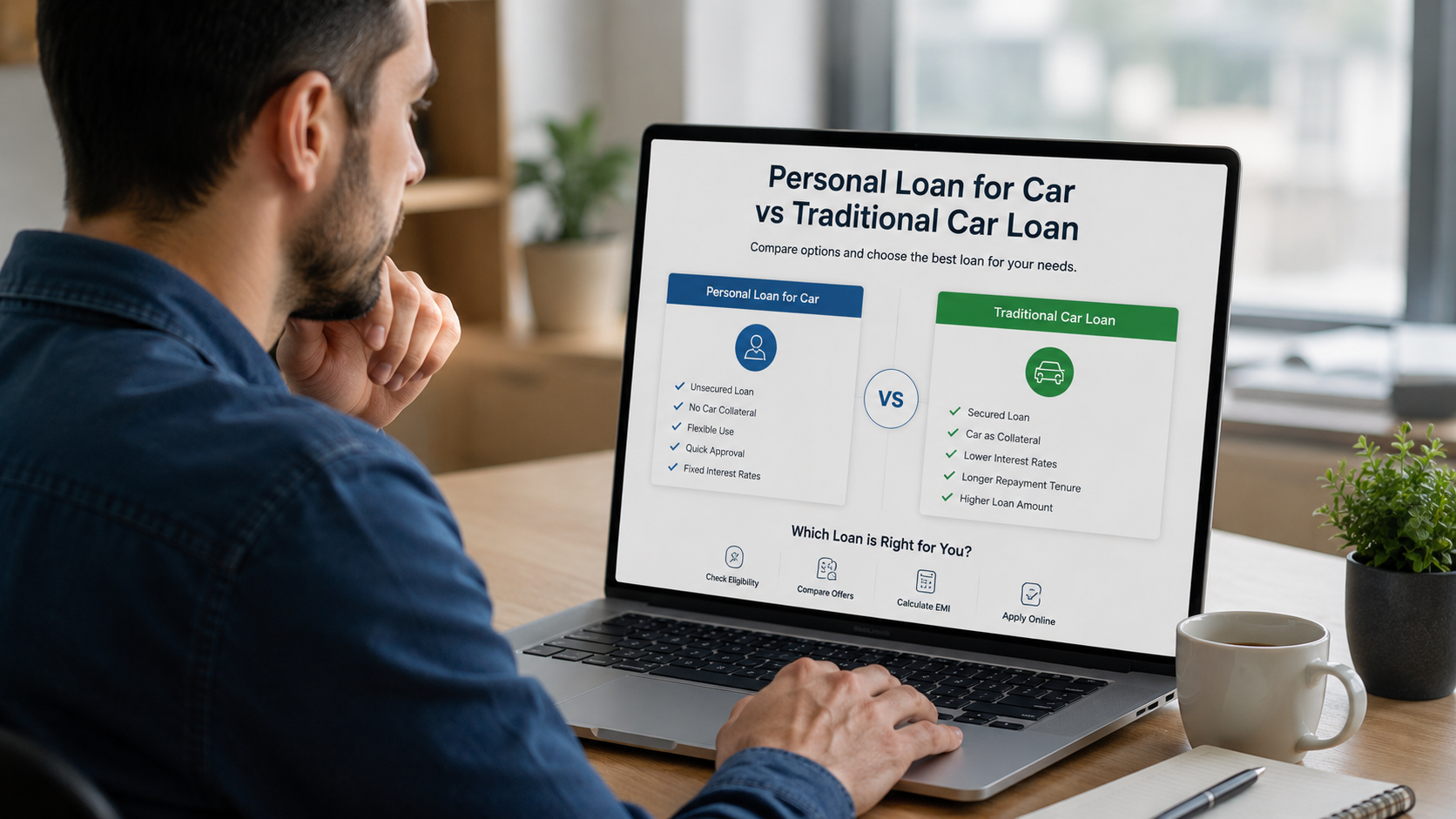
Request written quotes using the same vehicle price, down payment and term. Compare the annual interest rate, payment schedule, total amount financed, total cost of borrowing, lender fees and optional add-ons. A lower payment is not automatically a better deal if it is achieved by adding years to the agreement.
Long-term car loans may offer smaller regular payments, but they generally increase interest and extend the period in which the loan balance may exceed the vehicle’s market value. Choose the shortest term that fits a realistic budget rather than the longest term a lender will approve.
A partial cash payment can create a balanced strategy 🏦
The choice does not have to be all cash or maximum borrowing. A meaningful down payment can reduce the loan balance, interest expense and risk of negative equity while preserving part of your emergency savings. A larger down payment can also make vehicle financing less expensive over the full agreement. This hybrid approach may make an application more attractive, although approval and pricing still depend on the complete borrower and vehicle profile.
Before proceeding, calculate the total paid over the agreement and compare it with the all-cash price. Remove optional products you do not want, read the disclosure statement and avoid signing a sales agreement until the financing decision is final.
Choose the vehicle financing option that protects your next several years 🛣️
Paying cash is often strongest when you can buy a reliable car without draining your reserves. Borrowing may be justified when it preserves financial flexibility, supports access to dependable transportation and comes with a manageable total cost. Neither route is automatically better for every person with damaged credit.
The safest vehicle financing decision is based on the complete cost, a sustainable term and room in the budget for ownership expenses. Focus on what you will pay from purchase day to final payment—not simply the approval amount or the number shown as a weekly or biweekly payment.
FAQ ❓
Is paying cash always better when I have bad credit?
• No. Cash avoids interest, but it may be risky if the purchase uses most of your emergency savings or forces you to buy an unreliable vehicle.
Can a car loan improve my credit history?
• It may help when the lender reports the account and you make every payment on time. Missed payments can have the opposite effect, so confirm reporting practices and affordability first.
Should I finance a newer car instead of buying an older car with cash?
• Compare reliability, repair risk, insurance, depreciation and total borrowing cost. A newer car is not automatically affordable, and an older car is not automatically poor value.
Why is a long loan term risky?
• A longer term usually reduces the regular payment but increases total interest. It may also keep the balance above the car’s value for a longer period.
What should I compare before signing a car loan?
• Review the vehicle price, down payment, interest rate, payment frequency, term, total amount financed, total cost of borrowing, fees, optional products and early-payment conditions.
