
Learn the Car Loan Approval Basics for Canadians with Bad Credit
Learn what influences car loan approval in Canada and discover practical ways to strengthen your application, even if your credit history is less than perfect.
Lenders may review your repayment record, income, existing debts, employment situation, down payment, and the vehicle being financed.
Late payments, collections, or a past consumer proposal may increase the lender’s perceived risk. Understanding these factors can help you prepare a stronger application and improve your chances of approval.
What Canadian lenders assess before making a decision 🔎
Your credit report gives lenders a summary of how you have handled borrowed money. It may include payment history, outstanding balances, recent applications, collections, and certain public records. The score helps summarize risk, but it does not explain your full situation on its own.
For car loan approval, lenders commonly compare the requested amount with your verified income and current obligations. They want evidence that you can cover the vehicle payment while continuing to pay rent or housing costs, utilities, credit cards, and other loans.

The main factors that influence an Car Loan Approval application 📋
A stronger file combines affordability, stability, and a reasonable vehicle choice. Even when the credit report contains negative information, recent responsible behaviour may help the lender understand whether the problem is ongoing or belongs to an earlier period.
Key factors may include:
- recent payment history and unresolved collections;
- verifiable income and employment continuity;
- monthly debt obligations and housing costs;
- the size of the down payment;
- the vehicle’s price, age, mileage, and resale value;
- the requested term and payment frequency;
- a qualified co-signer, when permitted and appropriate.
Why income and debt load matter for The main factors that influence an Car Loan Approval 📋
💵
Income is not assessed in isolation. A borrower earning a steady salary may still face difficulty when existing debt payments already consume a large share of monthly cash flow. Prepare recent pay stubs, bank statements when requested, and accurate information about your regular expenses.
Reducing a credit-card balance or paying an overdue account before applying may improve the overall picture. Avoid taking on new debt immediately before the application because additional obligations can weaken affordability.
How a down payment can reduce lender risk 🚗
A down payment lowers the amount you need to borrow and may reduce the gap between the loan balance and the vehicle’s value. This can support the application when the credit profile is weak, although it does not guarantee acceptance or a lower rate.
Use savings only after protecting your emergency fund. A large down payment should not leave you unable to cover insurance, registration, winter tires, maintenance, fuel, or an unexpected repair.
Why the vehicle itself affects the offer 🛠️
The car acts as security for many auto-financing arrangements, so lenders also consider whether it represents acceptable collateral. An older, high-mileage, heavily modified, or unusually expensive vehicle may be harder to finance.
Choosing a reliable model within a conservative budget can make the application easier to assess. Before committing, compare the purchase price with insurance costs, expected maintenance, fuel use, and the total amount repayable under the proposed term.
Documents that can support car loan approval in Canada 📄
Arriving with complete and consistent information may prevent delays. Exact requirements differ by lender and borrower profile, but the following checklist covers common items.
| Item | Why it may be requested | Preparation tip |
| Government-issued identification | Confirms identity and application details | Check that names and addresses match |
| Proof of income | Helps establish repayment capacity | Bring recent, readable documents |
| Employment information | Shows role, status, and continuity | Provide accurate employer contact details |
| Proof of address | Confirms current residence | Use a recent statement or accepted document |
| Debt and housing information | Helps calculate monthly affordability | List every recurring obligation |
| Vehicle purchase details | Allows the lender to assess the collateral | Confirm price, VIN, year, mileage, and seller |
| Down-payment evidence | Confirms available funds | Keep a clear record of the source |
| Verified on | June 19, 2026 | Requirements may vary by lender |
Submitting false, incomplete, or inconsistent information can lead to a decline and may create more serious problems. Review every figure before signing the application.
Prepare your credit report before applying 🧾
Request your credit reports and review them for incorrect balances, unfamiliar accounts, or outdated personal details. When you find an error, start the dispute process before applying whenever possible. A legitimate negative item cannot simply be removed, but an inaccurate entry should be corrected.
Limit unnecessary applications. Comparing options is useful, yet sending applications to many unrelated lenders over a long period can add inquiries and make your borrowing activity look less controlled.
How to strengthen car loan approval with bad credit 🧭
Start with a realistic all-in vehicle budget rather than the maximum payment a seller says you can afford. Include the loan payment, insurance, fuel, maintenance, parking, registration, and seasonal costs. Then compare offers based on the interest rate, fees, term, payment schedule, and total cost of borrowing.
A longer term may reduce the regular payment but increase the total interest paid and keep the balance outstanding for more years. Ask for the disclosure statement and read the full agreement before signing. Do not focus only on the weekly or bi-weekly figure.
Practical steps include:
- save a reasonable down payment;
- resolve small past-due balances where possible;
- keep current accounts paid on time;
- avoid financing optional add-ons automatically;
- choose a lower-cost vehicle with dependable resale demand;
- consider a co-signer only after both parties understand the legal obligation;
- obtain more than one quote without committing to a sales contract too early.
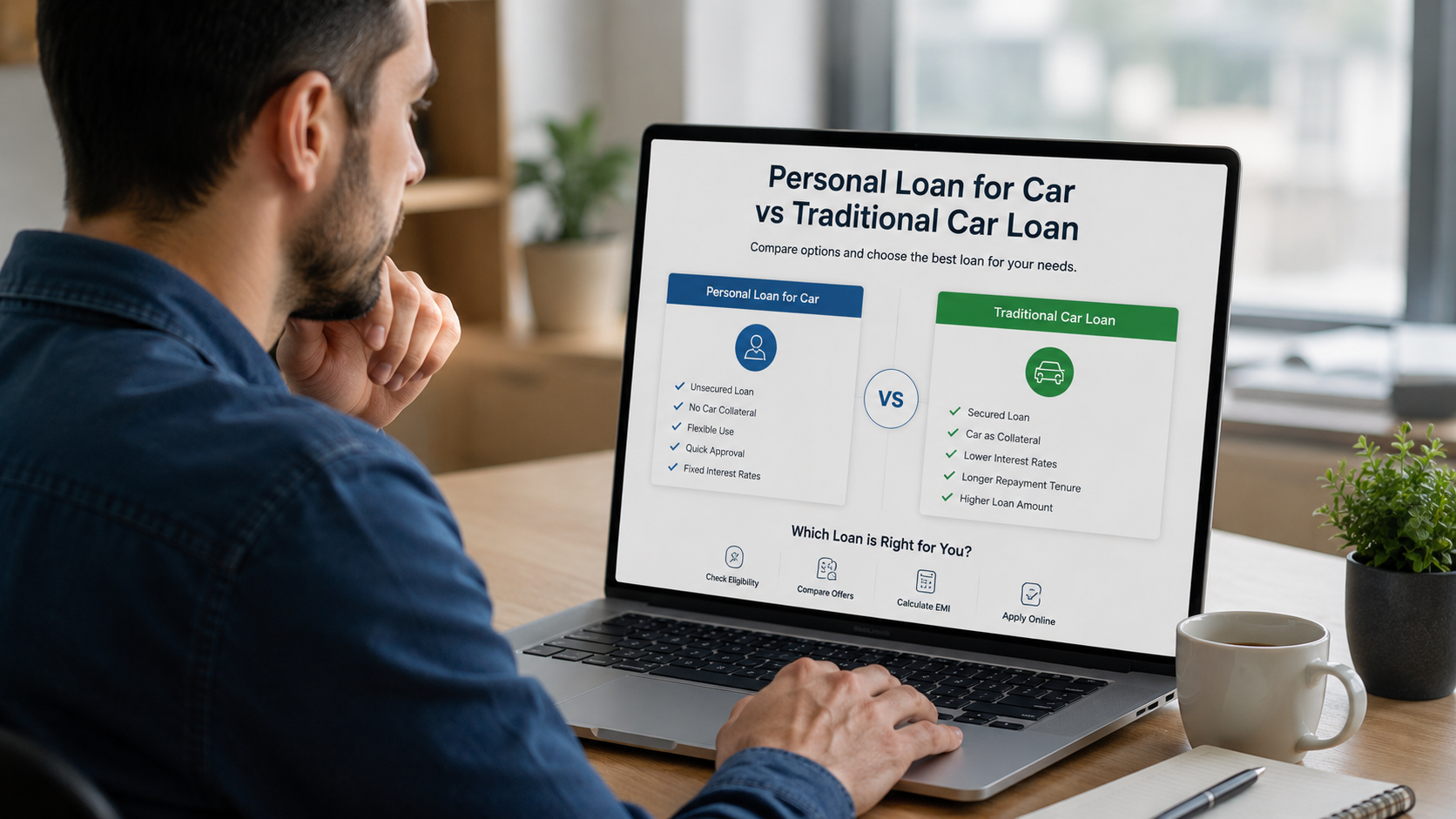
Reading an approval offer beyond the monthly payment ⚖️
An approval is not automatically a good deal. Review the annual interest rate, loan length, borrowing fees, optional products, prepayment rules, and total amount repayable. Confirm whether warranties, protection plans, or insurance products have been added to the financed balance.
An approved offer should solve a transportation need without creating an unaffordable debt cycle. Declining an expensive offer, improving your file, or selecting a less costly vehicle may be better than accepting the first available contract.
A safer route from application to vehicle ownership 🔑
Bad credit can narrow your options, but preparation gives you more control. Check your reports, document stable income, reduce avoidable debt, choose a sensible vehicle, and compare the complete cost of each proposal.
Treat car loan approval as an affordability decision rather than a simple yes-or-no result. The most useful offer is one you can repay consistently while protecting the rest of your monthly budget and rebuilding your credit record over time.
FAQ ❓
Can I receive financing in Canada with collections on my credit report?
• It may be possible, but the lender can charge a higher rate, request a down payment, limit the vehicle choice, or require stronger proof of affordability.
Does a higher down payment guarantee acceptance?
• No. It can reduce the financed amount and lender risk, but income, debts, credit history, and vehicle details still matter.
Should I choose the longest term to obtain a lower payment?
• Not automatically. A longer term can lower each payment while increasing total interest and the risk of owing more than the vehicle is worth.
Can a co-signer help a borrower with weak credit?
• A qualified co-signer may help, but that person becomes legally responsible for the debt, and missed payments may affect both credit files.
What should I compare between two financing offers?
• Compare the interest rate, fees, term, payment schedule, optional add-ons, prepayment conditions, and total cost of borrowing.
