
No Credit Car Financing in Canada: Learn the First Steps
Planning ahead can make no credit car financing more achievable. Learn what lenders look for and take simple steps to strengthen your application before choosing your first vehicle.
Buying a first vehicle without an established credit file can feel confusing, but a missing history is not automatically the same as bad credit.
Lenders may have less information to assess, so they often look more closely at income, employment stability, existing obligations, down payment and the vehicle itself. Understanding these factors can help you prepare with greater confidence before applying.
How no credit car financing works for a first vehicle 🚘
A vehicle loan is usually secured by the car, which means the lender uses the vehicle as collateral until the balance is repaid. Applications may be arranged through a dealership, a bank or credit union, or an independent finance company. Each channel can use different approval standards, rates and fees.
Because your credit file offers little evidence, the lender may assess the full application instead of relying only on a score. Regular income, time at your current job, housing costs, other debts and the size of the requested loan can all influence the decision. Approval is never guaranteed, and the most affordable offer is not always the one with the lowest advertised payment.

Start with a complete budget instead of a monthly payment 💵
A low payment can hide a long term, a high borrowing cost or an expensive vehicle. Before visiting a dealership, calculate what you can afford after rent or mortgage payments, food, utilities, debt payments and savings. Then include the costs that continue after the purchase.
Your first-vehicle budget should account for:
- the down payment and applicable sales taxes;
- loan payments and borrowing costs;
- insurance, registration and licensing;
- fuel or charging expenses;
- maintenance, tires and unexpected repairs;
- parking and seasonal costs where relevant.
This approach keeps the vehicle affordable beyond the day you receive the keys. It also gives you a firm limit when a seller discusses upgrades, protection products or a longer loan term.
Choose a vehicle that supports approval and ownership for No Credit Car Financing 🛠️
The car is part of the lender’s risk assessment. A vehicle that is too old, has very high kilometres or is difficult to value may be harder to finance through some lenders. A newer or well-documented used vehicle may provide stronger collateral, although its purchase price must still fit your income.
Before choosing a model, compare:
- expected reliability and maintenance history;
- insurance quotes for your postal code and driver profile;
- fuel economy and routine service costs;
- safety equipment and winter-driving suitability;
- resale value and availability of replacement parts.
A practical compact car or small crossover may be easier to budget for than a premium vehicle, large pickup or performance model. The right choice is the one that keeps the complete ownership cost manageable.
Prepare the documents lenders commonly request 📄
A clean, organized file reduces delays and helps the lender verify the information in your application. Requirements vary, but first-time borrowers should be ready to confirm identity, residence and ability to make payments.
Useful documents may include:
- government-issued identification;
- recent pay stubs or other proof of income;
- recent bank statements;
- proof of address;
- employment information and contact details;
- the vehicle purchase agreement or listing;
- immigration or residency documents when relevant to the program.
Make sure names, addresses and income figures are consistent across the application. A well-prepared no credit car financing file can reduce avoidable delays, while missing or conflicting information may lead the lender to request additional proof.
Use a down payment or co-signer carefully when No Credit Car Financing 🤝
A down payment reduces the amount borrowed and may improve the loan-to-value position. It can also lower the payment and total interest, but it should not empty your emergency fund. Keep enough cash for insurance, registration, immediate maintenance and unexpected expenses.
A qualified co-signer may strengthen a no credit car financing request because that person agrees to share legal responsibility for the debt. However, missed payments can affect both borrowers and may damage the relationship. Discuss the payment plan, access to account information and exit strategy before signing anything.
Compare the full offer before accepting a loan 🔎
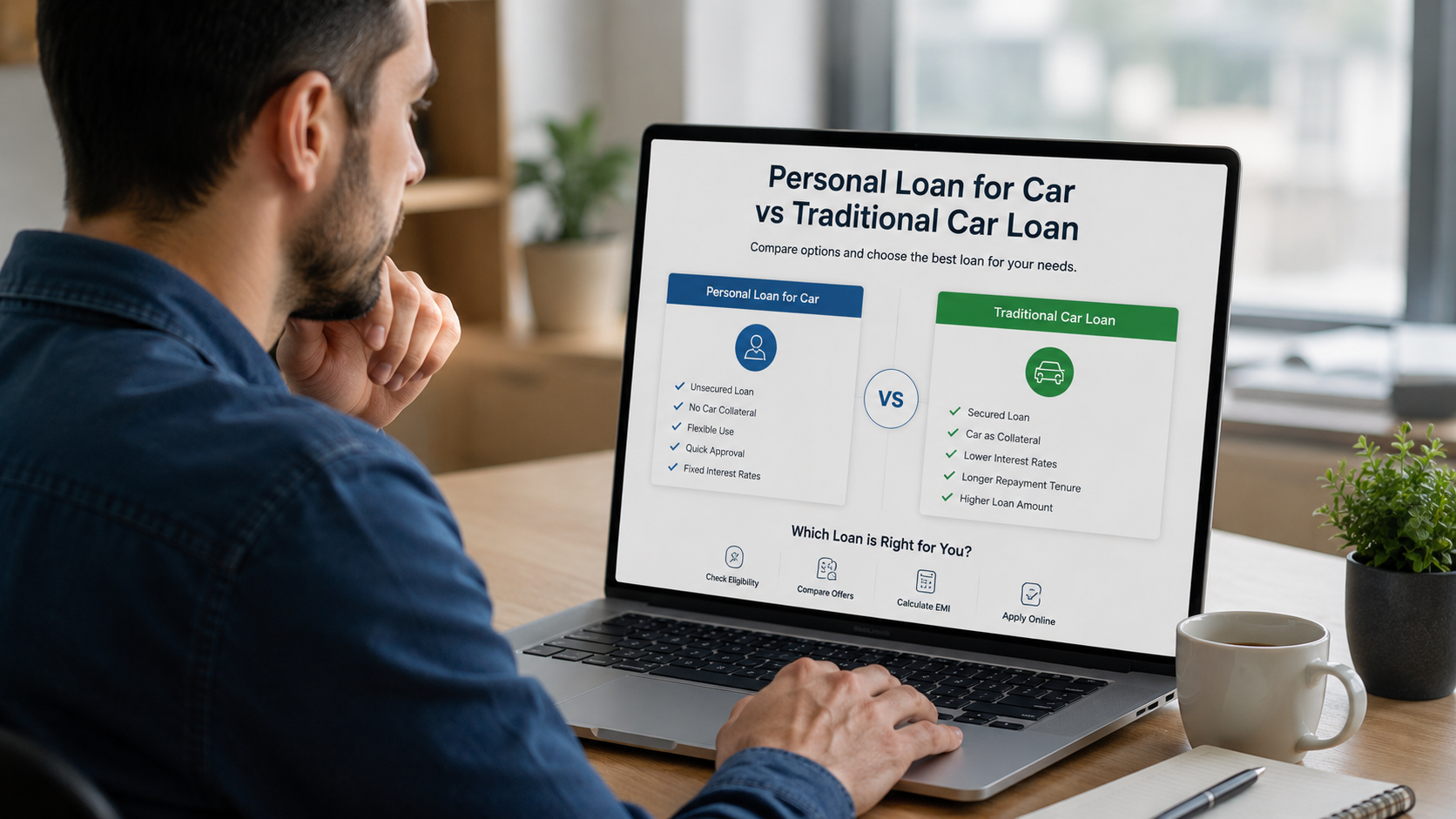
Ask for more than the payment amount. Compare the annual interest rate, loan term, payment frequency, total cost of borrowing, administrative fees and any optional products. A longer term may reduce each payment while increasing the total interest paid and the risk of owing more than the car is worth.
When comparing no credit car financing offers, use the same vehicle price, down payment and term whenever possible. This creates a fair comparison. Confirm whether the rate is fixed, whether extra payments are allowed without penalty and whether products such as extended warranties or loan-protection coverage are optional.
First-time buyer application checklist 📋
| Item to review | Why it matters | Practical action |
| Vehicle price | Determines the principal borrowed | Negotiate the purchase price before discussing payment |
| Down payment | Reduces the financed amount | Use savings without exhausting emergency funds |
| Interest rate | Affects every payment and total interest | Compare written offers from more than one source |
| Loan term | Changes payment size and total cost | Choose the shortest affordable term |
| Fees and add-ons | May increase the financed balance | Ask which products are optional and remove unwanted items |
| Income and obligations | Shows whether the payment is sustainable | Bring current documents and disclose debts accurately |
| Vehicle condition | Influences value and lender eligibility | Review history, inspection and kilometre limits |
Information verified on June 19, 2026. Exact documentation, eligibility and pricing depend on the lender, province or territory, borrower and vehicle.
Advantages and risks to consider before signing ⚖️
The main advantage is access to transportation while creating a record of successful instalment payments. A properly sized loan can help demonstrate consistent payment behaviour over time.
Important advantages include:
- access to a vehicle needed for work, school or family responsibilities;
- an opportunity to establish Canadian credit history;
- possible approval based on income and overall stability;
- flexibility to compare dealer and direct-lender options.
Key risks include:
- higher rates because the lender has limited credit information;
- pressure to focus only on the payment rather than the total price;
- long terms that keep you in debt after the car loses substantial value;
- optional products added to the balance;
- harm to your credit if payments are late or missed.
Build credit while protecting your monthly cash flow 📈
After the loan begins, set up payment reminders or automatic withdrawals and maintain a small buffer in the payment account. Review statements regularly and contact the lender early if a payment problem is developing. On-time payments are important, but the loan should remain one part of a balanced financial plan.
You can also build a broader credit profile with responsible use of another account, such as a secured credit card, while keeping balances low and paying bills on time. Avoid opening several accounts simply to create activity, because new applications and extra debt can make your finances harder to manage.
Take the first step with a stronger No Credit Car Financing application 🗝️
Successful no credit car financing starts with a suitable vehicle, verifiable income, a complete budget and a careful comparison of written offers. Do not rush because a seller says the approval is available only today. Read the disclosure statement, ask questions about every charge and keep copies of all signed documents.
The goal is not simply to get approved. It is to choose a loan and vehicle that remain affordable throughout the term, support reliable transportation and help you establish a healthier credit record in Canada.
FAQ ❓
Can I finance a car in Canada without a credit score?
• It may be possible. Some lenders assess income, employment, down payment, residency status, other debts and the vehicle when a borrower has little or no Canadian credit history.
Is having no credit the same as having bad credit?
• No. No credit usually means there is not enough borrowing history to calculate or interpret risk confidently. Bad credit generally reflects negative information such as missed payments, collections or defaults.
How much should a first-time buyer put down?
• There is no single amount that works for every application. A larger down payment reduces the loan, but borrowers should preserve enough savings for insurance, registration, maintenance and emergencies.
Will a co-signer guarantee approval?
• No. A strong co-signer may improve the application, but the lender still reviews the borrower, co-signer, requested amount and vehicle. Both people become responsible for the debt if approved.
Should I accept the longest term to get a lower payment?
• Not automatically. A longer term can lower the regular payment but usually increases total interest and may leave you owing more than the vehicle’s value. Compare total borrowing cost before deciding.
