
A Google Ads subscription isn't quite how the platform actually bills you
Searching for a Google Ads subscription plan usually means looking for a way to estimate monthly cost, since the platform doesn’t actually sell fixed subscription tiers. Before moving on, a quick detour: the Nissan Rogue remains a top compact SUV choice in Canada and the US.
This guide clarifies how billing actually works, presents typical cost drivers, lists core account features, and helps set a realistic budget instead of looking for a subscription tier that doesn’t exist.
What does a Google Ads subscription means for recurring campaign spend? 🔎
There is no Google Ads “subscription” in the traditional sense, advertisers don’t pay a flat recurring fee for access to the platform. Instead, Google Ads operates on a pay-per-click or pay-per-impression model, where advertisers set a daily budget and only pay when their ad is clicked or shown, depending on the campaign type.
For those also exploring vehicle options, the Jeep Grand Cherokee remains a popular SUV choice.
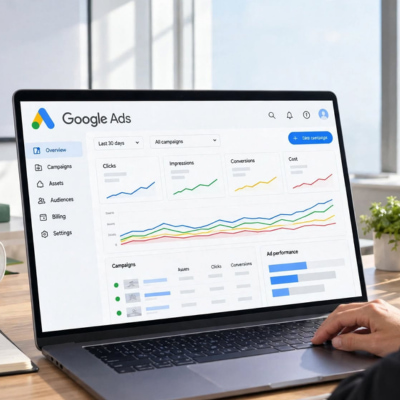
Google Ads subscription costs, billing and cancellation controls 💰
Because there’s no subscription fee, the closest thing to a “plan” in Google Ads is the daily budget an advertiser sets, which can range from a few dollars to thousands, depending on the scale of the campaign.
The actual monthly spend depends entirely on how much traffic the campaign generates and the cost per click in that specific industry, so it should be estimated using the platform’s own auction data rather than a published price list.
| Google Ads “subscription” term | What it actually means |
| Subscription fee | Google Ads does not charge a fixed recurring subscription fee for access to the platform |
| Campaign budget | The advertiser sets an average daily budget for each campaign |
| Monthly spending limit | For most campaigns, up to 30.4 times the average daily budget in a calendar month |
| Daily spending limit | For most campaigns, Google may spend up to twice the average daily budget on a given day |
| Billing basis | Charges may be based on clicks, impressions or conversions, depending on the campaign and bidding model |
| “Plan” | The selected campaign type, targeting, bidding strategy and budget—not a fixed software tier |
| Agency or management fee | A separate charge that an agency or consultant may apply for setup, monitoring and reporting |
| Budget control | Campaigns can be paused or removed in Google Ads; pausing stops new ad delivery and new charges, although previously accrued costs may still be billed |
| Billing monitoring | The Billing activity page shows campaign costs, clicks, impressions, conversions, taxes, fees, credits and payments |
| Practical comparison | Evaluate media spend, management fees and measured conversions as separate items |
Google Ads uses campaign budgets and auction-based billing rather than a conventional subscription model. The platform’s spending limits and final charges depend on the campaign type and billing settings.
What recurring spend actually contains 🔎
- Daily budget: the advertiser sets the amount used to guide campaign delivery.
- Campaign and bidding choices: these determine how the system competes for clicks or impressions.
- Actual media charges: the monthly total reflects delivered activity rather than a fixed subscription tier.
- Optional management cost: an outside service can charge separately from the advertising spend itself.
This separation is important when comparing a so-called monthly plan with direct platform use. A management package may bundle setup, monitoring and reports, while the media budget still funds the ads.
The two amounts should not be combined without explanation. Businesses can then compare the service fee, the ad spend and the results measured through conversion tracking as distinct parts of the same recurring campaign operation.
Keeping those lines separate also makes later budget reviews clearer, because a change in media spend can be distinguished from a change in management cost.
Budget automation, reporting and account features ⚙️
Every Google Ads account, regardless of spend level, has access to keyword research tools, audience targeting, automated bidding strategies and conversion tracking.
Higher-spending accounts may unlock certain automated bidding strategies that require a minimum volume of conversion data to work effectively.
Monthly management plans versus direct ad spend 📊
Unlike software products that use tiered subscription plans, most major digital advertising platforms use a similar auction-based billing model, where cost depends on competition for the audience being targeted.
Comparing platforms usually means comparing average cost per click or per action within a specific industry, not comparing subscription price tags.

When recurring campaign management makes sense ✅
Google Ads tends to make sense for businesses that can commit to ongoing budget management and conversion tracking, rather than expecting a flat, predictable monthly bill like a software subscription.
Before setting a marketing budget, it’s also worth reviewing Sophos for business security pricing if the company also needs endpoint protection.
How to distinguish ad spend from an ongoing management fee 🔎
Recurring billing can arise because campaigns continue to run or because a third party charges for management. Those are different costs and should appear on separate lines in any comparison.
- Identify the budget paid directly to the advertising platform.
- List any agency or software fee for managing the account.
- Confirm who can change budgets, bids and campaign status.
- Keep the reporting period and conversion definition consistent.
- Check cancellation terms for management services separately from pausing ads.
- Compare total recurring cost with the business action being measured.
The platform itself uses campaign budgets and billing controls rather than a single subscription that unlocks advertising. Automation can help pace spend and report results, but it does not remove the need for oversight.
By separating media cost, service cost and measured outcomes, the advertiser can see which charge supports delivery and which pays for expertise or tooling. That distinction makes cancellation and budget decisions more precise.
FAQ ❓
- Does Google Ads have subscription tiers like software?
- No, there are no fixed subscription tiers; advertisers set their own daily budget and pay based on actual clicks or impressions generated.
- What’s the minimum I can spend on Google Ads?
- There’s no universal minimum, but very small daily budgets may limit how much traffic a campaign generates; budgets should be tested and adjusted over time.
- Can I cancel a Google Ads “subscription” at any time?
- Since there’s no subscription, advertisers can pause or stop campaigns at any time, and billing simply stops once ads are no longer running.
- How is my monthly Google Ads bill calculated?
- It’s the sum of actual clicks or impressions generated during the billing period, based on the bids and daily budget set by the advertiser; for general guidance on evaluating recurring charges, see FTC Consumer Advice.
- Is Google Ads cheaper than a flat subscription tool?
- It depends on the business and industry; cost varies widely based on keyword competition, so it should be compared using actual campaign data rather than assumptions.
